Borneo's Ancient Forests: Sustainable Travel Guide
Published on: May 27, 2026 | Written by: Environmental Editor Desk
Estimated to be over 140 million years old—predating even the Amazon rainforest—the wild forests of Borneo represent a global biodiversity treasure. Exploring Sabah and Sarawak responsibly helps conserve fragile habitats while fostering environmental awareness.
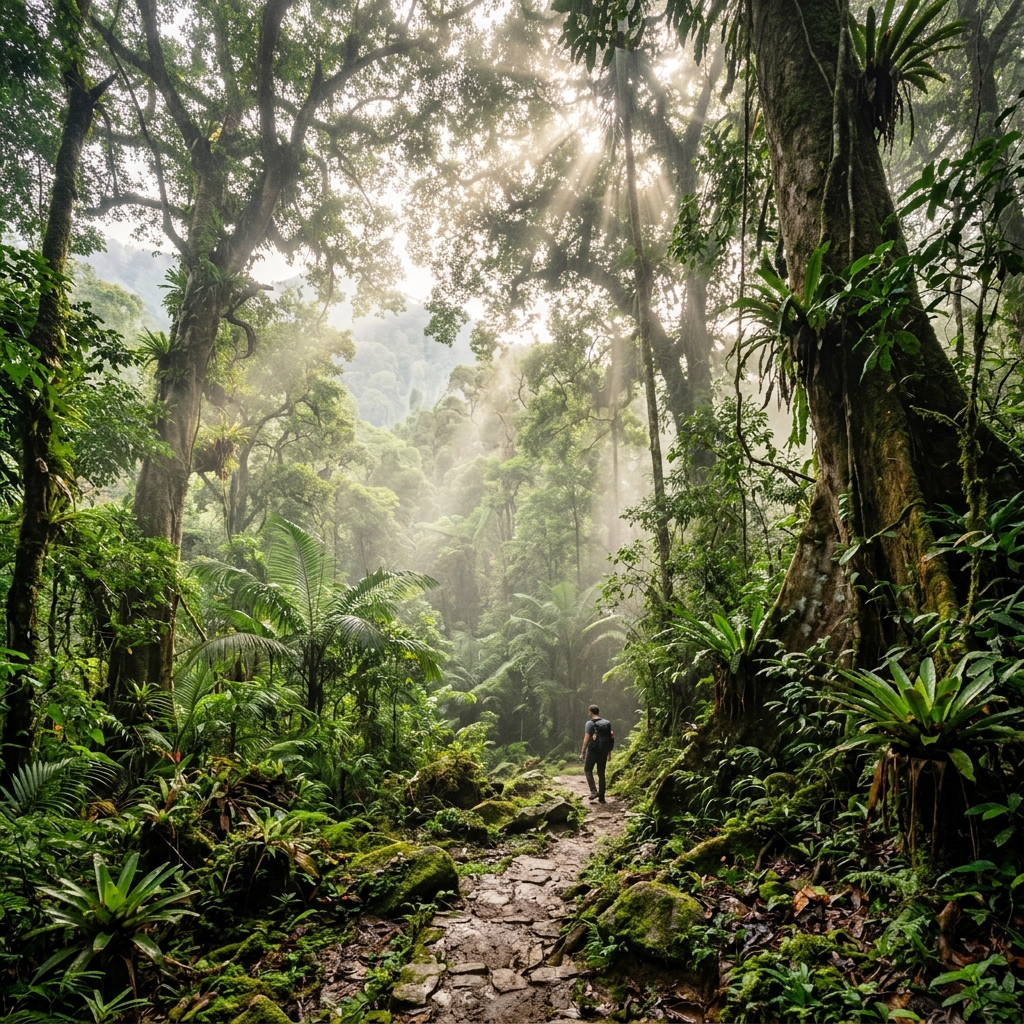
Covering parts of three nations, the island of Borneo is home to legendary tropical ecosystems, ancient dipterocarp trees towering up to 80 meters high, and incredibly rare wildlife species. These species include the endangered Bornean orangutan, pygmy elephants, and clouded leopards. Responsible tourism plays a vital role in keeping these ecosystems protected. When managed properly, tourism provides sustainable revenue that deters logging and encourages reforestation. By visiting these ancient forests consciously, you actively fund critical conservation projects, defend wild habitats, and support the indigenous communities who act as guardians of the jungle.
In this comprehensive guide, we delve deep into the primary ecological sites of Sabah and Sarawak, look at species rehabilitation, explore the details of river safaris, and provide an essential, low-impact gear checklist designed to withstand the dense humidity of the equatorial jungle.
Visiting Orangutan & Wildlife Rehabilitation Centers
One of the most profound encounters travelers experience in East Malaysia is seeing wild and semi-wild animals up close. Centers like the Sepilok Orangutan Rehabilitation Centre in Sabah and the Semenggoh Wildlife Centre in Sarawak allow visitors to observe rehabilitated orangutans in their natural jungle habitat during scheduled feeding hours. Crucially, these centers are not zoos. They act as transit facilities where rescued, orphaned, or displaced apes are taught basic survival skills—such as foraging, nest building, and tree climbing—before being returned to protected forest reserves.
Directly adjacent to Sepilok, the Bornean Sun Bear Conservation Centre offers a sanctuary for the world's smallest bears. Once threatened by the illegal pet trade and deforestation, these bears are slowly returned to the wild through meticulous rehabilitation programs. Visitors can observe them roaming in large forest enclosures from elevated boardwalks, ensuring their natural behaviors remain uninterrupted by human proximity.
Kinabatangan River Safaris: Encountering Pygmy Elephants
To witness BorneoРІР‚в„ўs megafauna in the wild, travelers head to the Kinabatangan River. Stretching 560 kilometers across Sabah, this majestic river provides a crucial refuge for wildlife. Small, low-emission river cruises offer the least disruptive way to spot animals along the riverbanks, particularly during early morning and late afternoon hours when wildlife is most active.
Spotting the Bornean Pygmy Elephant
These gentle giants, smaller and rounder than their mainland Asian counterparts, are endemic to northeastern Borneo. They travel in close-knit matriarchal herds through the riparian corridors of the Kinabatangan. Watching a herd of pygmy elephants swim across the wide river or forage on elephant grass is an unforgettable sight. Cruising silently with cut engines prevents herd disruption and allows you to hear their soft rumbles and splashes.
In addition to elephants, river safaris frequently yield sightings of bizarre proboscis monkeys, wild orangutans nesting in the canopy, saltwater crocodiles basking along the mudbanks, and all eight species of Bornean hornbills flying across the water at dusk. Supporting local community-run boat cooperatives ensures that tourism dollars directly benefit local villages, creating an economic incentive to preserve the riparian forest buffer zone.
Guidelines for Low-Impact Wildlife Observation
To respect Bornean ecosystems and ensure the safety of both visitors and animals, travelers should strictly adhere to these protocols:
- Maintain a Safe Distance: Never attempt to touch or feed wild animals. Bornean apes share a large percentage of human DNA and are highly susceptible to human respiratory and gastrointestinal illnesses.
- Minimize Noise Pollution: Loud noises disrupt natural wildlife behaviors, causing stress to nesting birds and mammals. Keep conversations to a whisper during jungle treks and river cruises.
- Hire Local Certified Guides: Professional local guides are trained to navigate trails without disrupting habitats and can spot rare endemic species like the western tarsier or rhinoceros hornbill that are invisible to untrained eyes.
- Minimize Single-Use Plastics: Bring refillable stainless-steel bottles. Fragile island and jungle ecosystems lack robust waste-management systems, and plastic pollution threatens native fauna.
- Choose Certified Eco-Lodges: Support accommodations that utilize solar energy grids, filter greywater, employ local villagers, and participate in local tree-planting and reforestation initiatives.
Ultimate Borneo Expedition Gear Checklist
Trekking in an equatorial rainforest requires specialized gear to combat extreme humidity, sudden monsoon downpours, and wet terrain. Packing cotton clothing is a common mistake; cotton traps moisture and dries slowly, leading to discomfort and skin irritation. Opt for lightweight, moisture-wicking synthetic fabrics instead.
| Gear Category | Essential Item | Purpose & Travel Rationale |
|---|---|---|
| Footwear | Trekking Boots (Non-Gore-Tex) | Breathable, quick-drying boots with deep lugs. Gore-Tex boots trap water inside once submerged in mud or rivers. |
| Footwear | Specialized Leech Socks | Tightly woven calico socks worn over standard socks and tied below the knee. Prevents leeches from reaching your skin on damp trails. |
| Clothing | Lightweight Synthetic Pants | Protects legs from thorny brush, insects, and stinging nettles while drying in minutes after a downpour. |
| Protection | Packable Poncho | A wide, breathable poncho that covers both your body and your daypack during sudden tropical rainstorms. |
| Electronics | 10L to 15L Dry Bag | Keeps camera bodies, binoculars, lenses, and official travel documents safe from rain and river splashes during boat tours. |
| Optics | 8x42 or 10x42 Binoculars | Essential for spotting wild orangutans and hornbills nesting high in the forest canopy. |
| Personal Care | DEET-Free Insect Repellent | Protects you from mosquitoes while preventing harmful chemicals from washing off into delicate aquatic habitats. |
Final Thoughts: Travel as an Act of Stewardship
Visiting Borneo is more than a vacation; it is a profound lesson in ecological interconnectedness. By wandering along the elevated wooden boardwalks of Sepilok, watching pygmy elephants forage along the Kinabatangan, and practicing strict low-impact tourism, you become an active partner in preserving one of the oldest living wonders of the natural world. Packing responsibly, hiring local guides, and respecting local environmental guidelines ensures that the prehistoric forests of East Malaysia continue to thrive for centuries to come.