Malacca Maritime Crossroads: Colonial Legacies & Peranakan Culture
Published on: May 27, 2026 | Written by: Historical Studies Desk
At the narrowest point of the historic spice shipping lanes, the ancient city of Malacca stands as a monument to international commerce. Explore its Portuguese, Dutch, and British colonial remnants alongside the beautifully preserved culture of the Peranakan community.
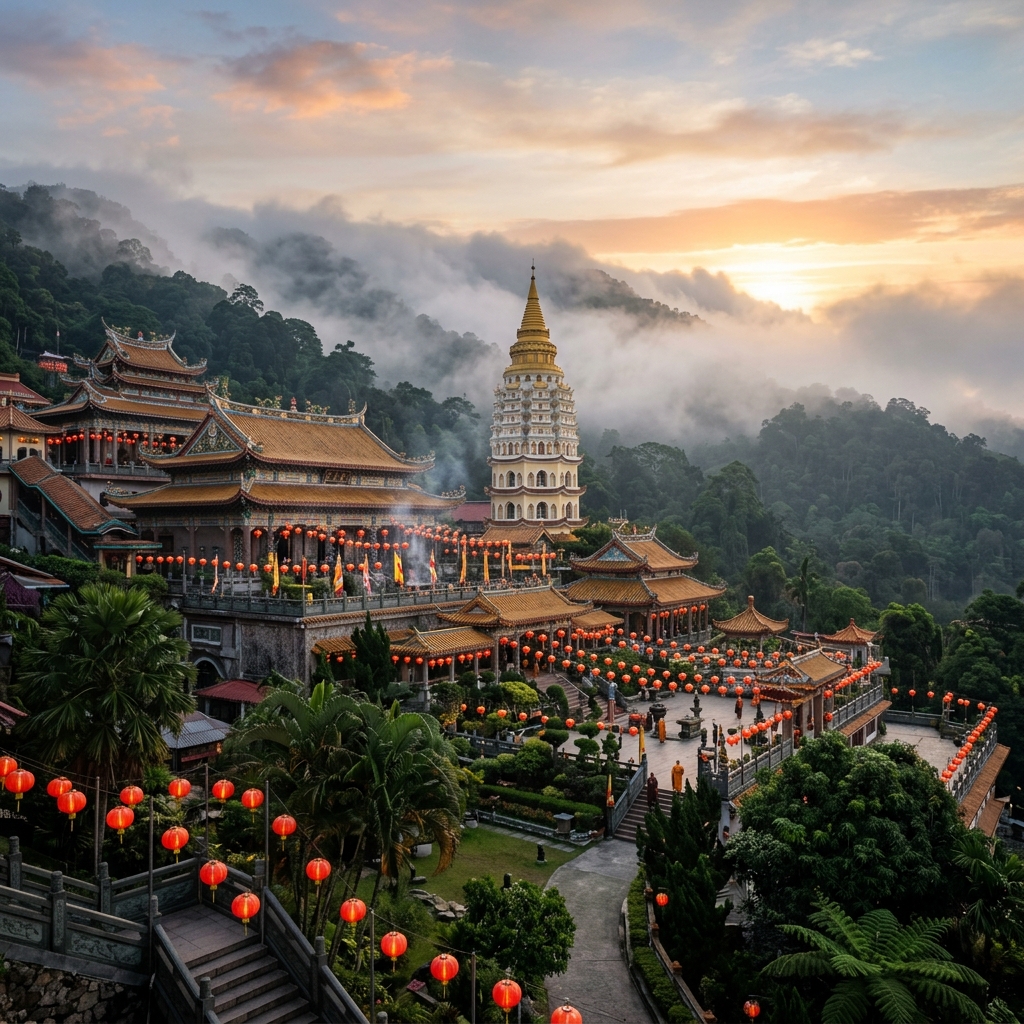
Few cities in Southeast Asia possess the historical weight of Malacca. Strategically positioned along the Strait of Malacca—the vital maritime passage connecting the Indian Ocean with the South China Sea—this UNESCO World Heritage site served as the global crossroads of trade for centuries. During the 15th-century Malacca Sultanate, merchants from Arabia, Persia, India, and China gathered here to exchange silk, tea, porcelain, and precious spices. This immense wealth eventually attracted European colonial empires, resulting in over four centuries of Portuguese, Dutch, and British rule that permanently shaped the city's architectural landscape.
In this rich travel diary, we trace the architectural and military footprints of European colonial powers, explore the fascinating origins and ornate aesthetics of the Peranakan (Baba Nyonya) community, savor their legendary culinary creations, and provide a curated traveler manual for exploring the historic canals and the bustling weekend market of Jonker Street.
Traces of Empires: Portuguese and Dutch Remnants
MalaccaРІР‚в„ўs colonial legacy is physically carved into its landscape. Walking through the historical core reveals striking contrasts between Portuguese fortifications and Dutch civic structures:
When Portuguese commander Afonso de Albuquerque conquered Malacca in 1511, he immediately constructed a massive stone fortress known as **A Famosa** (The Famous One) to defend the harbor from regional counter-attacks. Today, all that remains of this colossal fortress is the small stone gatehouse, **Porta de Santiago**. Atop St. Paul's Hill, the ruins of **St. PaulРІР‚в„ўs Church**, constructed by Portuguese nobleman Duarte Coelho in 1521, stand as the oldest European church building in Southeast Asia. Its ancient stone walls are lined with Dutch tombstones, and the open-roof nave offers panoramic views of the modern shipping strait.
After a fierce siege, the Dutch East India Company (VOC) seized Malacca from the Portuguese. The Dutch transformed the administrative center into a sea of red brick, constructing the iconic **Stadthuys** in 1650. Believed to be the oldest Dutch administrative building surviving in the East, this imposing structure features massive walls and heavy wooden doors, today housing the Museum of History and Ethnography. Directly adjacent, the terracotta-red **Christ Church Malacca**, built in 1753 using bricks shipped directly from Zeeland in the Netherlands, features hand-carved wooden pews, delicate ceiling beams held together without nails, and a historic wind-vane clock tower.
Peranakan Heritage: The Baba Nyonya Synthesis
While European empires fought for military control of the harbor, a beautiful, organic cultural synthesis was occurring on the city's streets. Chinese merchants arriving during the Ming Dynasty settled in Malacca, marrying local Malay women. Their descendants became known as the **Peranakan** or **Baba Nyonya** community (Baba referring to men, Nyonya to women).
This community forged a highly sophisticated culture that beautifully synthesized Chinese beliefs, Malay language and culinary traditions, and European colonial lifestyle choices. The best place to witness this heritage is along **Jalan Tun Tan Cheng Lock** (historically known as Heeren Street), lined with ornate double-story Peranakan townhouses. These narrow, deeply elongated houses feature decorative Roman columns, hand-painted floral tiles, traditional Chinese ancestral altars, and beautiful inner courtyards designed to let in rain and natural light.
Peranakan cuisine, or Nyonya cooking, is a legendary culinary tradition that marries Chinese ingredients (such as pork, wood-ear mushrooms, and bean paste) with Malay aromatic herbs and spices (including lemongrass, galangal, turmeric, laksa leaves, and spicy shrimp paste). Preparing these dishes requires hours of meticulous pounding, marinating, and slow simmering:
- • Ayam Pongteh: A deeply comforting, savory stew of chicken and potatoes simmered in a rich paste of fermented yellow soybeans, garlic, and palm sugar.
- • Nyonya Laksa: A rich, intensely aromatic coconut-milk broth flavored with shrimp paste, lemongrass, and chilies, served with thick rice noodles, prawns, fish cakes, and fresh bean sprouts.
- • Kuih-Muih: A beautiful array of colorful, bite-sized desserts made from glutinous rice, coconut milk, and fragrant pandan juice, steamed to a soft, jelly-like consistency.
The Vibrant Night Markets of Jonker Street
Today, the historical heart of Malacca's Chinatown is centered along **Jalan Hang Jebat**, famously known as **Jonker Street**. Historically the residential enclave of rich Peranakan merchants, it has transformed into a bustling cultural avenue lined with antique shops, traditional tea houses, art galleries, and historic Chinese clan houses.
On Friday, Saturday, and Sunday evenings, Jonker Street is completely closed to vehicle traffic, transforming into a vibrant night market. The air fills with the sounds of live music and the sweet aroma of local street snacks. It is an essential cultural experience for every traveler exploring Peninsular Malaysia.
| Jonker Street Highlight | Specific Location / Intersection | Traveler Rationale & Activity | Best Time to Visit |
|---|---|---|---|
| Baba & Nyonya Museum | 48-50, Jalan Tun Tan Cheng Lock | A beautifully preserved Peranakan mansion offering guided historical tours of original 19th-century interiors. | 10:00 AM – 4:00 PM (Daily) |
| Cheng Hoon Teng Temple | 25, Jalan Tokong (Temple Street) | Founded in 1645, this is the oldest functioning traditional Chinese temple in Malaysia, practicing three faiths (Taoism, Confucianism, and Buddhism). | 8:00 AM – 6:00 PM (Daily) |
| Jonker Walk Night Market | Jalan Hang Jebat (Entire Street) | Browsing local crafts, historical antiques, and tasting street food like Nyonya pineapple tarts and Gula Melaka shaved ice. | 6:00 PM – Midnight (Fri – Sun) |
| Malacca River Cruise | Muara Jetty (near Quayside Heritage Hotel) | A peaceful 45-minute boat ride along the river, viewing historic murals, glowing bridges, and traditional village houses. | 7:30 PM – 10:30 PM (for night lights) |
Essential Guidelines for Exploring Malacca
- Wear Breathable Footwear: MalaccaРІР‚в„ўs historical core is compact and best explored entirely on foot. Winding pavements and historical stone steps require comfortable walking shoes.
- Respect Temple Altars: When visiting active shrines like Cheng Hoon Teng, never photograph worshippers during active meditation, and avoid stepping onto private elevated altars.
- Keep Small Ringgit Cash Handy: Street vendors and night market stalls operate on a cash-only basis. Carry small bills (RM 1, RM 5, and RM 10) to make transactions smooth.
- Support Local Craftsmen: Purchase traditional Peranakan beaded shoes and handmade pineapple tarts directly from multi-generational family shops along the side streets, keeping local heritage alive.
Conclusion: A Living Museum of Cultural Exchange
Exploring Malacca is like walking through the pages of a beautifully illustrated history book. As you touch the weathered stone of Porta de Santiago, stand inside the terracotta halls of Christ Church, or watch the lanterns glow along the Malacca River, you experience a unique legacy of global exchange. By traveling slowly, supporting local Peranakan family businesses, and respecting the sacred practices of the oldest temples, you play a vital role in preserving this remarkable maritime crossroads for generations to come.