Sacred Architecture: Visiting Temples & Mosques Respectfully
Published on: May 27, 2026 | Written by: Cultural Studies Desk
Malaysia's rich heritage is defined by a beautiful, harmonious blend of Buddhist and Hindu temples, Islamic mosques, and historical Christian churches. Understanding local etiquette ensures a deeply respectful visit.
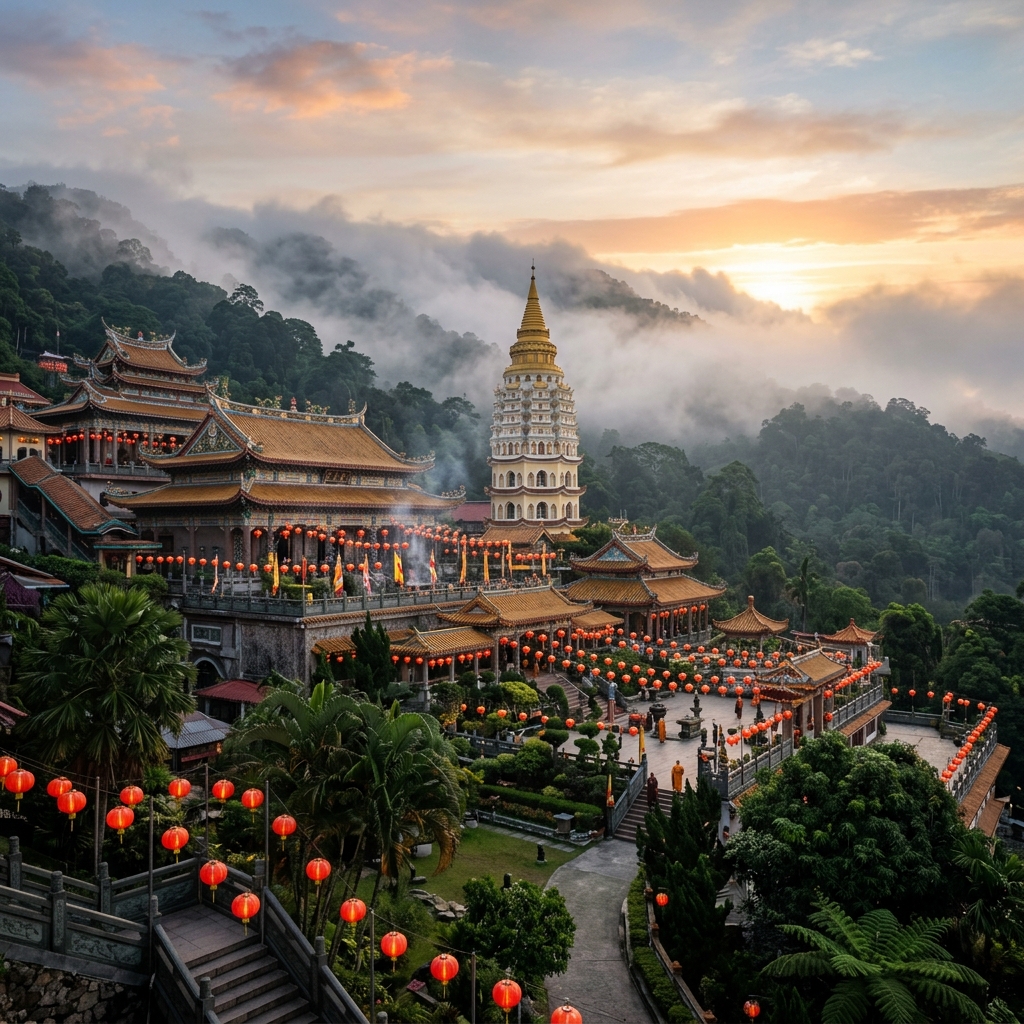
Whether you are exploring the colossal golden Lord Murugan statue at Batu Caves, wandering the serene gardens of Kek Lok Si in Penang, or marveling at the steel dome of the Iron Mosque in Putrajaya, sacred architecture represents a vital pillar of Malaysian society. These structures are active, revered places of daily prayer and community gathering. Following local customs helps preserve their spiritual sanctity and supports intercultural harmony. Visiting these holy spaces is one of the most rewarding parts of exploring Malaysia, offering an intimate window into the deep spiritual currents that shape local lives.
Because Malaysia is a secular, highly multicultural nation, distinct protocols govern the visiting of sacred places of different faiths. In this manual, we discuss the deep history of these sacred landmarks, outline the exact codes of dress and deportment, and provide an analytical compatibility matrix designed to keep your travels culturally respectful and fulfilling.
The Golden Deity: Scaling the Steps of Batu Caves
Located just north of Kuala Lumpur, the dramatic limestone cliffs of Batu Caves house one of the most important Tamil Hindu shrines outside India. Guarding the entrance is the colossal, 42.7-meter-tall golden statue of Lord Murugan, the Hindu deity of war and victory. To reach the main Temple Cave (also known as Cathedral Cave), visitors must climb 272 steeply rising steps, which were painted in a vibrant rainbow of colors in 2018. The caves are believed to be over 400 million years old, and the main cavern features high ceilings punctured by natural skylights that illuminate ancient shrines decorated with colorful mythological figures.
During the annual Thaipusam festival in January or February, Batu Caves becomes the epicenter of massive devotional processions, attracting over a million pilgrims. If visiting during active prayer hours or festivals, remain on the designated visitor pathways and never step onto the raised stone altars where priests are performing sacred rituals (puja).
Kek Lok Si: The Jewel of Penang
Perched majestically on the hills of Air Itam in Penang, Kek Lok Si is the largest Buddhist temple complex in Malaysia. Founded in 1890, this architectural masterpiece represents a unique synthesis of Mahayana, Theravada, and traditional Chinese Buddhist traditions. The centerpiece of the complex is the magnificent Pagoda of Ten Thousand Buddhas (Ban Po Thar), completed in 1930. The pagoda features a unique seven-tier structure, combining a Chinese octagonal base with a Thai midsection and a Burmese spiral dome, reflecting the diverse heritage of Southeast Asian Buddhism.
When walking through Kek Lok Si’s winding pavilions and prayer halls, you will see delicate wooden carvings, massive bronze incense burners, and a towering 36.7-meter-tall bronze statue of Kuan Yin, the Goddess of Mercy. In these spaces, it is essential to observe the flow of devotees. Walk around the shrines in a clockwise direction—a traditional sign of respect in Buddhist cosmology—and keep voices to a quiet, meditative whisper.
Sublime Geometry: The Blue Mosque & The Iron Mosque
MalaysiaРІР‚в„ўs national religion is Islam, and the nation is home to some of the most breathtaking modern mosques in the world. The Sultan Salahuddin Abdul Aziz Mosque in Shah Alam, commonly known as the Blue Mosque, features the largest religious dome in the country, framed by four towering minarets that pierce the sky. Its interiors are adorned with intricate Arabic calligraphy and traditional Malay wood carvings, casting cool blue light across the marble prayer hall.
In contrast, the Tuanku Mizan Zainal Abidin Mosque in Putrajaya, known as the Iron Mosque, is a marvel of futuristic industrial design. Constructed primarily from stainless steel, glass, and concrete, the mosque features no central fans or air conditioning. Instead, it relies on a delicate steel mesh skin that allows natural breezes from the surrounding lake to cool the cavernous interior, creating a peaceful, airy sanctuary.
Etiquette and Modesty Protocols Matrix
To ensure a respectful experience, refer to this comprehensive guide on expected codes of conduct before visiting any religious heritage site in Malaysia:
| Religious Site Type | Footwear Rule | Head Coverings | Shoulder & Knee Coverage | Photography Limits |
|---|---|---|---|---|
| Hindu Temples (e.g., Batu Caves) |
Remove shoes before entering the main indoor cave temples. Shoes are allowed on the outdoor stairs. | Not required, but hats and caps should be removed out of respect. | Strictly required. Knees and shoulders must be covered. No tank tops or shorts. | Allowed in public courtyards. Prohibited inside the inner prayer sanctuaries where priests perform rituals. |
| Buddhist Monasteries (e.g., Kek Lok Si) |
Remove shoes before stepping into the indoor prayer halls. Allowed in outdoor gardens and courtyards. | Not required. Hats and sunglasses must be removed inside prayer sanctuaries. | Highly recommended. Avoid revealing garments out of respect for monks and worshippers. | Allowed in outdoor areas. Look for "No Photo" signs near specific ancient statues and altars. |
| Islamic Mosques (e.g., Blue Mosque) |
Strictly remove all footwear at the main entrance gate. Dedicated shoe racks are provided. | Required for women (hijab/scarf). Men should remove hats. Modesty robes are provided at tourist desks. | Strictly required for all. Full-length pants/skirts covering ankles and long sleeves are expected. | Allowed in courtyards and viewing galleries. Never photograph people while they are in the act of bowing or praying. |
| Christian Churches (e.g., St. Paul's Malacca) |
Allowed throughout the premises, unless entering specific private altar spaces. | Not required. Remove hats upon entering the indoor nave. | Respectful casual attire. Cover shoulders and knees. Avoid beachwear. | Generally allowed, but highly discouraged during active Sunday service hours. |
Crucial Guidelines for Every Visitor
In many Southeast Asian cultures, the soles of the feet are considered the spiritual lowest and most unclean part of the body. Never point your feet directly at a religious altar, Buddha statue, or sacred text. When sitting on the floor of a Hindu or Buddhist temple, tuck your legs beneath you or cross them respectfully, ensuring your feet point away from the shrines.
Avoid visiting mosques during congregational Friday midday prayers (typically between 12:30 PM and 2:30 PM). During these hours, thousands of local Muslims gather for weekly worship, and tourist entry is restricted. Similarly, check the calendar for major Hindu festivals or Buddhist ceremony days if you wish to observe or prefer to avoid heavy crowds.
Sacred structures, scriptures, oil lamps, incense bowls, and statues are highly consecrated. Refrain from touching altars or leaning against ancient stone carvings for support. If you wish to purchase incense or offering flowers at Hindu and Buddhist temples, do so through designated temple counters, placing your donations in official boxes.
Conclusion: Celebrating Harmonious Heritage
Malaysia's sacred architecture is a testament to the nation's unique cultural harmony. By taking the time to learn the rules, dressing modestly, removing footwear when required, and treating worshippers with respect, you ensure that these beautiful spiritual landmarks remain welcoming to travelers from around the world. As you scale the colorful steps of Batu Caves, wander the high pavilions of Kek Lok Si, or admire the reflection pool of the Iron Mosque, let your actions contribute to the mutual respect and preservation of Malaysia's living heritage.