Langkawi Sustainable Eco-Tourism: Mangroves & Marine Conservation
Published on: May 27, 2026 | Written by: Conservation Editor Desk
Designated as Southeast Asia's first UNESCO Global Geopark, the Langkawi archipelago is a masterpiece of geological antiquity and ecological diversity. Discover how low-impact travel preserves these fragile island ecosystems.
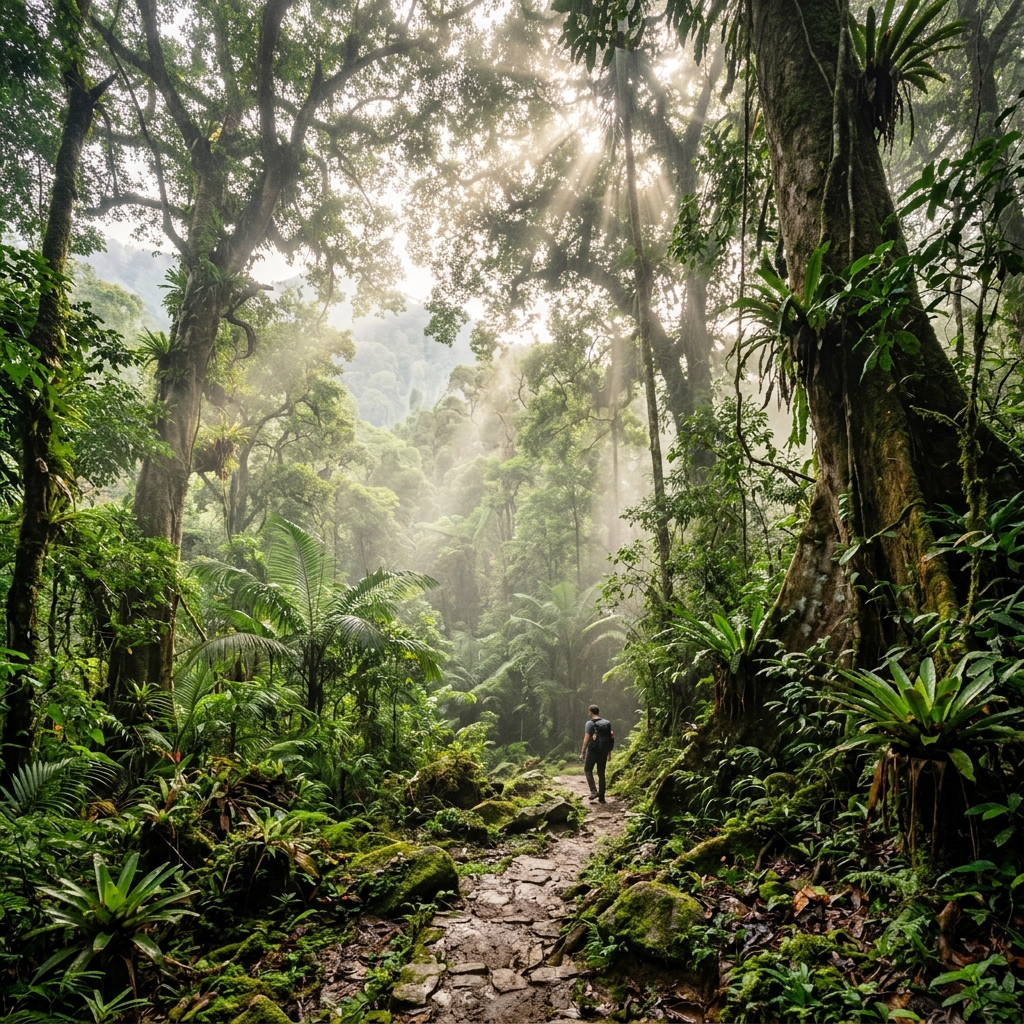
Langkawi, an archipelago of 99 islands in the Andaman Sea, is renowned for its duty-free shopping and pristine white beaches. However, beyond the commercial zones lies a geological and biological marvel. Formed of ancient sandstone and limestone karst towers dating back over 550 million years, the islands contain complex, fragile ecosystems. In 2007, Langkawi was declared a UNESCO Global Geopark, triggering a dedicated movement toward sustainable, community-backed eco-tourism designed to protect its native species and pristine habitats.
In this comprehensive guide, we explore the deep ecosystems of the Kilim Karst Geopark, scale the heights of the sustainable Langkawi SkyBridge, delve into marine sanctuary preservation at Pulau Payar, and establish concrete, green traveler beach guidelines designed to minimize your ecological footprint.
Kilim Karst Geopark: The Mangrove Lungs of Langkawi
Covering an area of over 100 square kilometers on the northeastern tip of the main island, the Kilim Karst Geopark features an incredibly beautiful landscape of vertical limestone cliffs, dark caves, and dense mangrove forests. These mangroves act as the "lungs" of Langkawi, absorbing vast quantities of carbon dioxide, filtering sediment from freshwater rivers before it reaches the sea, and protecting the coastline from sea erosion and tsunamis.
Winding through the green waterways on a low-emission, electric-powered boat safari is the best way to observe this ecosystem. The stilt roots of the mangrove trees provide a crucial nursery for young fish, crabs, and shrimp, while the canopy above houses nesting brahminy kites (Langkawi's signature brown-and-white eagles), white-bellied sea eagles, and families of crab-eating macaques foraging along the mud flats.
Why Feeding Wildlife is Strictly Prohibited
For years, tourist boats performed "eagle feeding" shows by throwing chicken skin into the river. Eco-tourism scientists have proven that this practice is highly damaging. Feeding disrupts the natural hunting instincts of the eagles, leads to nutritional deficiencies, and causes territorial aggression among macaque monkeys. Modern, certified sustainable tours in Kilim strictly ban the feeding of animals, focusing instead on silent, non-intrusive observation.
High Altitude Wonders: The Machinchang SkyBridge
In western Langkawi, the ancient Machinchang mountain range rises abruptly from the sea. Composed of Cambrian sandstone, these are the oldest rock formations in the region, supporting a unique, high-altitude rainforest ecosystem. Scaling these heights is made possible by the Langkawi Cable Car (SkyCab), which takes visitors to the spectacular Langkawi SkyBridge, a curved pedestrian suspension bridge hanging 660 meters above sea level.
The SkyBridge represents an impressive feat of low-impact structural engineering. Suspended from a single, 82-meter-tall steel pylon and anchored by tension cables, the entire bridge was assembled using helicopters to prevent heavy machinery from destroying the ancient forest canopy below. Walking across the transparent glass panels of the bridge offers breathtaking views of the surrounding rainforest, deep gorges, and distant islands, fostering a deep appreciation for the island's raw, untouched geography.
Marine Preservation at Pulau Payar Sanctuary
Located 30 kilometers south of Langkawi, the uninhabited island of Pulau Payar was established as a Marine Park in 1985 to preserve its rich coral reefs and diverse marine fauna. The sanctuary features a large variety of hard and soft corals, serving as a sanctuary for blacktip reef sharks, barracudas, triggerfish, and green sea turtles. Protecting these waters requires strict adherence to marine park laws:
- Zero Extraction: Collecting shells, coral fragments, or sand from the beaches or seabed is strictly illegal and subject to heavy government fines.
- Reef-Safe Sunscreen Only: Standard chemical sunscreens contain oxybenzone and octinoxate, which trigger rapid coral bleaching even in microscopic quantities. Visitors must wear long-sleeved UV rash guards or utilize 100% mineral-based, reef-safe sunscreens.
- Never Touch Coral: Marine corals are incredibly fragile living animals. Stepping on them or touching them with fins scrapes off their protective mucus layer, leaving them highly vulnerable to lethal bacterial infections.
Green Beach Guidelines for Travelers
Langkawi's pristine beaches, such as Pantai Cenang and Pantai Tengah, are vulnerable to the pressures of tourism. By adopting these sustainable practices, you help keep them clean and protected for years to come:
| Beach Activity | Common Unsustainable Practice | Sustainable Eco-Alternative |
|---|---|---|
| Hydration & Dining | Buying single-use plastic water bottles and takeaway styrofoam containers. | Bringing a reusable stainless-steel bottle. Ordering dine-in meals at local open-air cafes. |
| Sun & Insect Protection | Spraying chemical aerosols that drift onto beach flora and marine waters. | Using organic insect oils and mineral zinc sunscreens that naturally dissolve without harm. |
| Wildlife Interaction | Leaving food scraps on the sand that attract macaques and alter their diet. | Packing all trash in sealed bags and disposing of it in designated bins away from the beach. |
| Coastal Transport | Renting jet skis and motorized watercraft that leak oil and disturb marine life. | Renting sea kayaks, paddleboards, or taking guided sailing tours with zero carbon emission. |
Conclusion: Safeguarding an Island Sanctuary
Langkawi's UNESCO Geopark status is a powerful reminder that natural wonders are both breathtaking and incredibly fragile. By wandering the silent, mangrove-lined channels of the Kilim Geopark, admiring the engineering triumph of the SkyBridge, using reef-safe products, and actively practicing zero-waste beach habits, you ensure that the ancient limestone towers and coral sanctuaries of the Andaman Sea remain vibrant and preserved. Let your journey through Langkawi be defined by a spirit of conservation, honoring the ancient geology of the island with every step you take.