KL Skyscraper Architecture & Transit Explorer Guide
Published on: May 27, 2026 | Written by: Urban Infrastructure Desk
Rising from a humble muddy river confluence, Kuala Lumpur has transformed into a dazzling vertical metropolis. Discover the structural triumphs of the skyline and learn how to navigate the city using its comprehensive urban rail network.
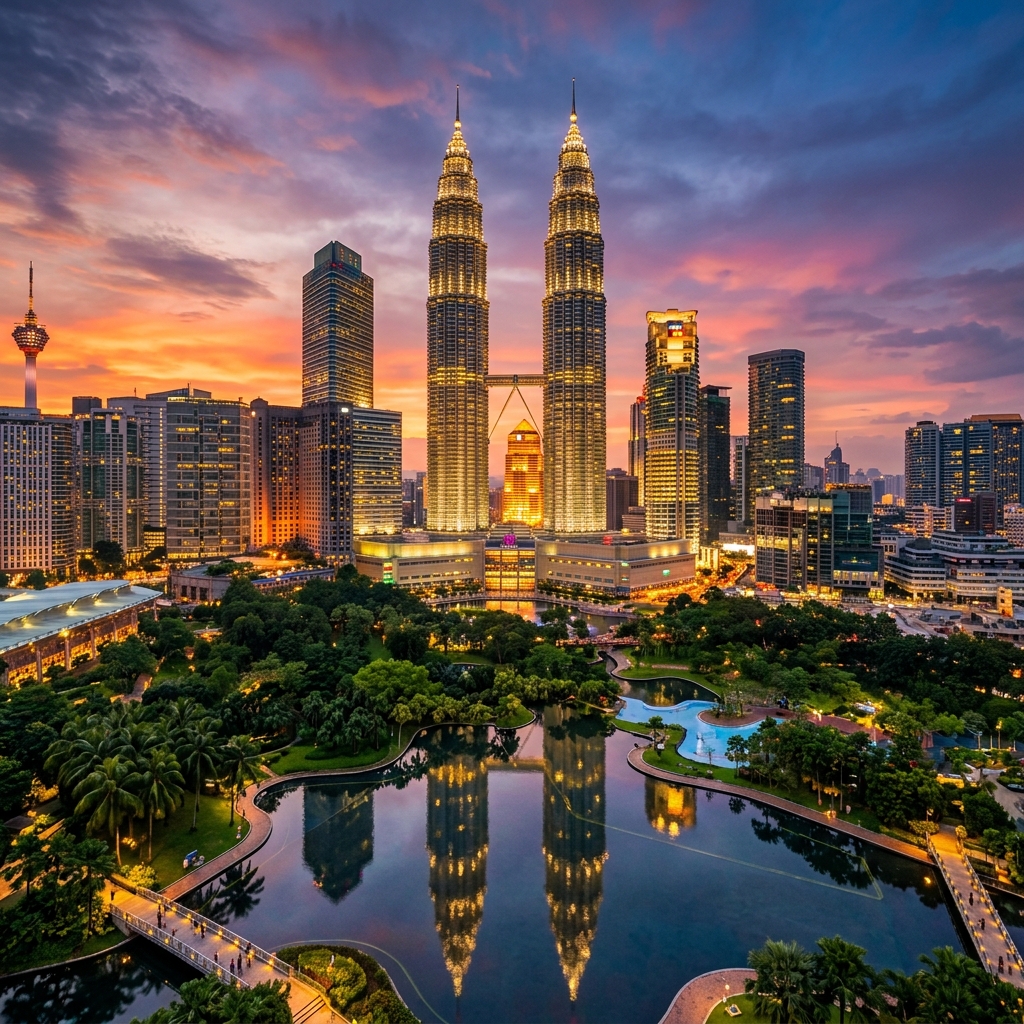
Kuala LumpurРІР‚в„ўs skyline represents a striking intersection of rapid economic modernization, state-of-the-art engineering, and deep cultural expression. The city's towering structures are not just feats of concrete and steel; they are symbolic monuments that reflect the countryРІР‚в„ўs journey from a colonial mining outpost to a major global financial center. Exploring this vertical jungle offers travelers a unique perspective on modern engineering, architectural geometry, and sustainable urban design.
In this long-form manual, we analyze the structural engineering and geometric concepts behind Kuala LumpurРІР‚в„ўs primary skyscraper marvels, highlight the lush sky parks that act as high-altitude ecological havens, and provide an extensive, step-by-step traveler transit manual to help you master the city's integrated rail system without getting caught in heavy vehicle traffic.
Marvels of the Sky: The Icons of KLРІР‚в„ўs Skyline
Each of the major high-altitude structures in Kuala Lumpur tells a story of geometric ambition and historic identity. Let us look at the details of the three most iconic landmarks that dominate the city's horizon:
Completed in 1998, these twin structures designed by Argentine architect César Pelli held the title of the world's tallest buildings until 2004 and remain the tallest twin towers on Earth. The structural design is a beautiful homage to Islamic geometric art. The ground plan of each tower is based on the Rub el Hizb—two overlapping squares that form an eight-pointed star—with circular infills added to maximize floor space. Constructed primarily of high-strength reinforced concrete rather than structural steel, the towers feature an elegant double-decker Skybridge on the 41st and 42nd floors, which is designed to slide in and out of the structures to accommodate natural wind sway. The exterior cladding consists of 55,000 stainless steel panels and glass panes that reflect sunlight like a faceted diamond.
As the second-tallest building in the world (surpassed only by Dubai's Burj Khalifa), Merdeka 118 is a monumental triumph of modern structural engineering. The tower's multi-faceted crystalline glass facade is inspired by traditional Malay songket textile patterns, consisting of triangular glass panes that catch light at different angles. The spire's design represents the iconic silhouette of Malaysia's first Prime Minister, Tunku Abdul Rahman, raising his hand to declare independence (Merdeka) in 1957. Inside, the mixed-use tower features state-of-the-art double-deck elevators, advanced green technology that earned it double Platinum LEED certification, and a spectacular high-altitude observation deck (The View at 118) that offers panoramic views of the entire Klang Valley.
Primarily serving as a telecommunications and broadcasting antenna, the KL Tower (Menara KL) stands atop Bukit Nanas (Pineapple Hill), a protected forest reserve in the heart of the city. The towerРІР‚в„ўs architectural details are heavily inspired by Persian architecture, featuring Muqarnas (honeycomb vaulting) designs on the dome ceiling at the tourist entrance. The towerРІР‚в„ўs observation decks, sky decks, and glass Sky Box platforms are highly popular for photography. Perched on a hill, the tower actually sits at a higher elevation than the Petronas Twin Towers, providing an unobstructed view of the surrounding skyscrapers.
Green Spaces in the Clouds: Urban Sky Parks
As part of Kuala Lumpur's sustainable green blueprint, urban developers have integrated several sky parks and ground-level ecological reserves to combat the urban heat island effect:
- вњ” KLCC Park: Designed by legendary landscape architect Roberto Burle Marx at the base of the Petronas Towers. It features a massive man-made lake, water fountains, and over 1,900 native trees and palms providing shade for walkers.
- ✔ KL Forest Eco Park: One of Malaysia’s oldest forest reserves, located right at the foot of the KL Tower. It features a thrilling canopy walkway that lets visitors trek through the treetops of an actual rainforest while surrounded by skyscrapers.
- вњ” Rooftop Sky Parks: High-altitude vertical green gardens located on the upper levels of modern commercial complexes like TRX (Tun Razak Exchange), combining open lawns, dining, and native botany high above the streets.
Comprehensive Integrated Transit Manual
Kuala Lumpur’s roads are notorious for heavy traffic gridlock during peak hours (7:30 AM – 9:30 AM and 5:30 PM – 7:30 PM). The most efficient way to navigate the city is using the extensive, integrated urban rail network. The system is clean, air-conditioned, highly affordable, and connects major heritage sites, business districts, and shopping hubs seamlessly.
Kuala LumpurРІР‚в„ўs rail system consists of three main transit styles, all color-coded on system maps. You can purchase single-journey tokens at touch-screen vending machines in every station using small cash bills, or purchase a pre-loaded cashless transit smart card at official ticket desks for convenience.
| Transit Network Line | Color Code | Primary Major Stops | Best For (Traveler Rationale) |
|---|---|---|---|
| LRT Kelana Jaya Line | Ruby Red (Line 5) | KL Sentral, Pasar Seni, KLCC, Masjid Jamek | Accessing the Petronas Twin Towers, Chinatown, and historical colonial districts. |
| MRT Kajang Line | Dark Green (Line 9) | Muzium Negara, Bukit Bintang, Merdeka, TRX | Reaching the shopping belt of Bukit Bintang, Muzium Negara, and the financial district. |
| KL Monorail Line | Light Green (Line 8) | KL Sentral, Imbi, Bukit Bintang, Bukit Nanas | Navigating within the central business district and accessing night food markets (Jalan Alor). |
| KLIA Ekspres | Purple (Line 1) | KL Sentral, KLIA Terminal 1 & 2 | Direct, high-speed rail link connecting the international airport to the central city hub in 28 minutes. |
Pro Tips for Navigating KL Rail Transit
- в–Є Use Interchange Hubs wisely: Major interchange stations like **KL Sentral**, **Pasar Seni**, and **Masjid Jamek** allow you to switch between lines under one roof. Note that some interchanges require walking through pedestrian sky bridges or tap-out transfers.
- в–Є Avail the Free GoKL City Bus: These pink, zero-emission shuttle buses operate on circular routes around the central district, providing free transportation to major sights from key LRT stations.
- в–Є Prepare Small Change: Ticket vending machines accept RM 1 and RM 5 notes, along with coins. Vending machines will reject large bills like RM 50 or RM 100, so keep small denominations handy when travelling.
Conclusion: A Skyline of Infinite Ambition
Exploring Kuala LumpurРІР‚в„ўs architecture and urban landscape is a thrilling journey of discovering human ingenuity and vertical vision. As you gaze at the shimmering steel panels of the Petronas Twin Towers, look down at the city from the observation deck of Merdeka 118, or navigate the modern platforms of the LRT system, you witness a city that looks boldly toward the future while honoring its cultural foundations. By choosing efficient rail transit and supporting sustainable green parks, you explore the metropolis like a seasoned traveler, contributing to the green future of this dynamic capital.